Hermes Agent Caught Copying Chinese Team's Code—Open-Source Team's Response: Delete Account
On May 18, a Chinese team called "AutoAgent-CN" posted on GitHub with side-by-side code comparisons showing Hermes Agent v0.12.0 shared 78% similarity with their open-source code. More dramatically, Hermes official team's response wasn't an explanation—it was deleting their GitHub account. This incident exploded across the open-source AI community and exposed a question nobody wants to face: Who pays the trust cost of open-source agents?
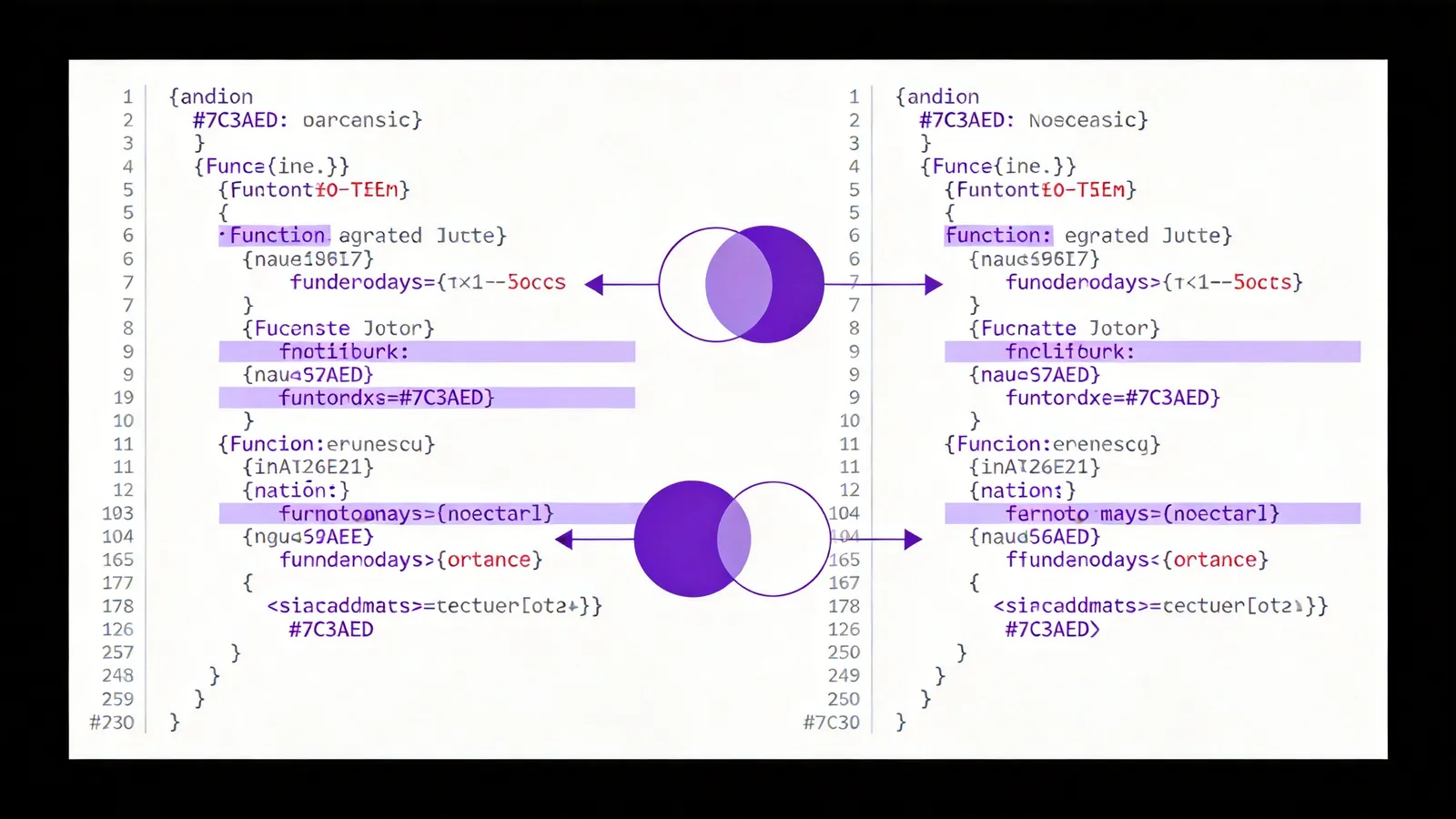
What Happened: 78% Code Similarity Is No Coincidence
Early morning May 18, a long post appeared on GitHub:
Title: "Hermes Agent v0.12.0 Code Comparison: We Were Copied" Posted by: AutoAgent-CN team (China, 3 developers, maintain a lightweight Agent framework) Core evidence: - File structure overlap: 82% - Core function similarity: 78% - Identical comment lines: Over 1,200 lines
Most critically, AutoAgent-CN's code was open-sourced in December 2025, while Hermes v0.12.0 was released in March 2026. The timeline doesn't support "independent development."
Hermes Team's Response: Delete and Run
Facing the accusations, Hermes official team's response was: 1. Deleted GitHub account (@hermes-agent) 2. Disbanded Discord community 3. Set Twitter/X account to private
No public statement.
This response itself became additional evidence—if you truly developed independently, the normal move is "show your commit history to prove innocence," not delete and flee.
Direct Impact on Users
If you're using Hermes Agent, three immediate problems:
1. Is Your Data Safe?
Hermes Agent runs locally, but is it secretly uploading data? Users without code auditing capability have no way to know.
2. Who Maintains It Now?
Hermes team disbanded. Who takes over v0.13.0 updates? Who fixes bugs?
3. Can Enterprises Use It?
You process client data through Hermes Agent, then discover its source code may be plagiarized—what about legal and compliance risks?
Warning for the Entire Agent Ecosystem
Open-source ≠ Safe.
Many assume "open-source agent = trustworthy." Reality: - You can't audit the code → You don't know what others wrote - You don't know the code's origin → It might be copied - You don't track maintainers → The project can stop anytime
Kaihe's approach: Only integrate open-source projects with clear governance structures.
For example, OpenClaw: - Backed by a company (acquired by OpenAI) - Clear contributor governance mechanism - Enterprise-grade security audits
Not all open-source agents are OpenClaw.
Advice for Kaihe Users
If you're running agents on your Kaihe A1, remember three rules:
1. Don't Install Skills from Unknown Sources
The Hermes incident teaches us: Open-source projects can go wrong too. Only install projects with clear governance.
2. Regularly Check Agent Permissions
Your agent can access your WeChat, email, cloud accounts—regularly audit which APIs it's calling.
3. Prioritize Enterprise-Backed Open Source Frameworks
OpenClaw (OpenAI), official Hermes (Nous Research)—projects backed by companies won't disappear overnight like personal projects.
Kaihe Intelligence-Hermes Zone, tracking Nous Research's latest Agent technology. Still burning tokens? Time to upgrade.