Lenovo Put "OpenClaw" Inside Their PCs: The Agent Is Becoming an AI Standard
On May 19, Lenovo released Tianxi AI 4.0, officially integrating OpenClaw capabilities into the PC system layer. This isn't just Lenovo's move — from Kaihe to Lenovo, OpenClaw is transforming from "an open source project" to "a standard interface for AI PCs."
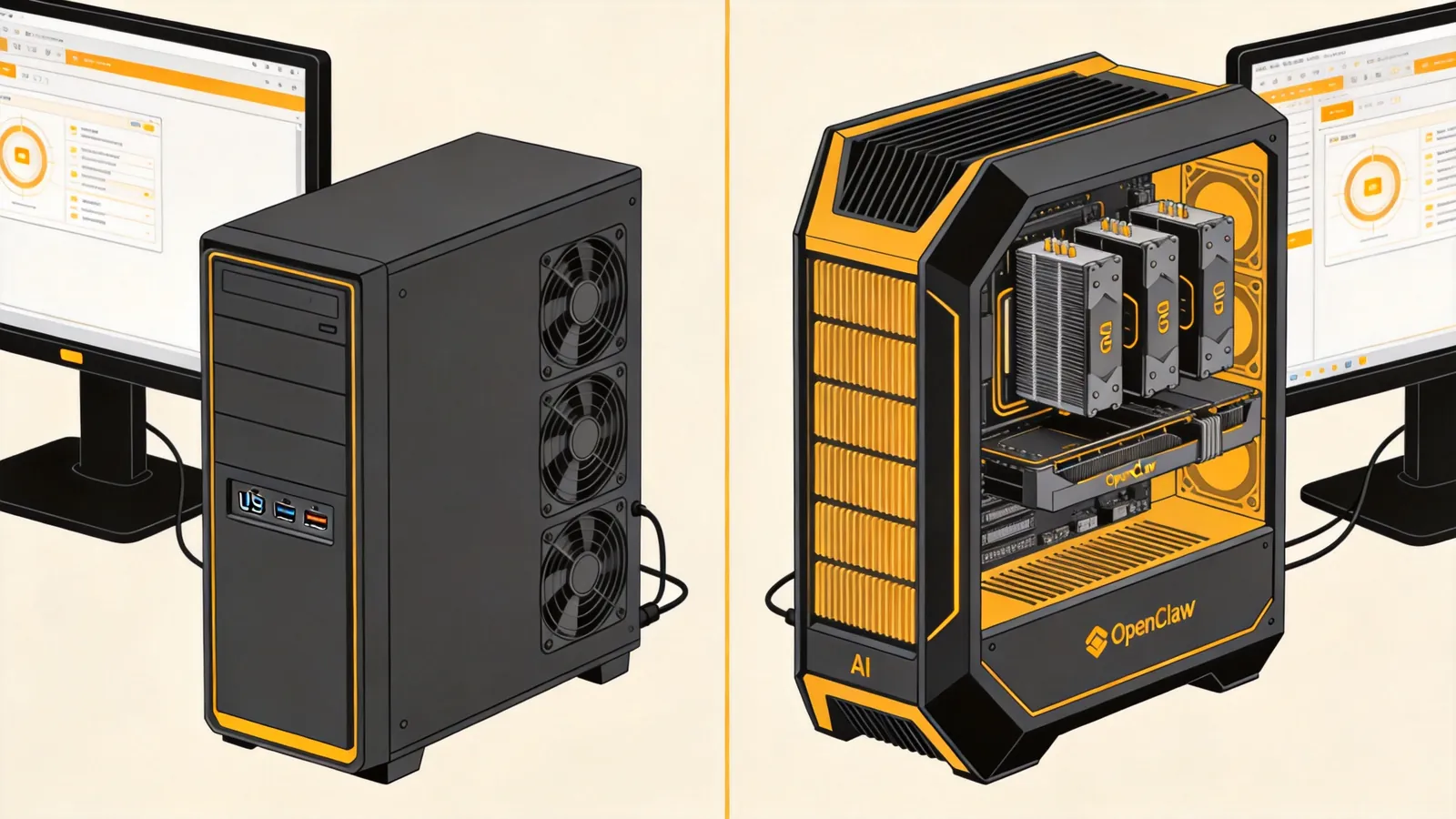
What Did Lenovo Actually Do?
The core change in Tianxi AI 4.0 can be summed up in one phrase: Turning OpenClaw from "software you install" into "a system capability that's there from day one."
Specific actions: - System-level OpenClaw engine integration, ready to go at first boot - Equipped with a 1.7B multimodal memory model for local daily AI tasks - Cross-application scheduling — no longer "opening an AI app," but "telling your computer to do things"
What this means: OpenClaw is following the path WiFi once took — from something geeks installed themselves, to something that comes built into every computer.
Why OpenClaw Over Other Options?
Lenovo had choices: - Build their own AI system (huge investment, long cycle, zero ecosystem) - Integrate Baidu Wenxin / Alibaba Tongyi (heavy cloud dependency, privacy issues) - Integrate OpenClaw (open source, runs locally, ecosystem already scaled)
Choosing OpenClaw is the easiest path — but the flip side is, when a PC giant picks your open source project, that's the strongest signal of ecosystem momentum.
This indirectly validates Kaihe's position:
We build "hardware optimized for OpenClaw." Lenovo builds "general PCs with OpenClaw integrated." Different approaches, same bet: OpenClaw will become AI-era infrastructure.
"OpenClaw Inside" Is Becoming the AI Version of "Intel Inside"
| Era | Badge | Meaning |
|---|---|---|
| PC era | "Intel Inside" | The processor matters; Intel means a good computer |
| Mobile era | "Android" / "iOS" | The OS matters; no iOS means not an iPhone |
| AI era | "OpenClaw Inside"? | The Agent framework matters; OpenClaw means an AI computer |
Lenovo integrating OpenClaw is essentially stamping a label that says: "This computer runs OpenClaw."
For Kaihe, this is the strongest ecosystem endorsement: - Lenovo educates the market: "AI computers should have OpenClaw" - Kaihe captures demand: "Want the best OpenClaw experience? Dedicated hardware is right here."
Kaihe's Differentiation Actually Got Sharper
Lenovo's approach has two natural limitations: 1. Hardware isn't designed for OpenClaw — cooling, power consumption, 7×24 stability are general PC weak points 2. System-level integration ≠ optimal experience — factory pre-install is basic; deep optimization needs dedicated hardware
Lenovo's entry actually clarifies Kaihe's position:
Lenovo tells people "AI computers run OpenClaw." Kaihe makes running OpenClaw an unbeatable experience.
The Simple Takeaway
If you hear "Lenovo computers now support OpenClaw" — this means:
✅ OpenClaw is now a mainstream AI PC choice
✅ You don't need technical skills; manufacturers pre-install it for you
✅ But if you want 7×24 stable operation, lower power, deeper optimization — Kaihe is the advanced choice
Just like everyone needs a computer, but designers still buy Macs — general PCs running OpenClaw is "works." Kaihe running OpenClaw is "works best."
Bottom line: Lenovo integrating OpenClaw isn't Kaihe's competition arriving — it's the market being educated. From now on, before buying an AI computer, people will ask "Can it run OpenClaw?" And Kaihe's answer will always be the best one.
AI Frontiers tracks the latest industry movements. Follow us to navigate the AI PC ecosystem.